by NMGeorge | Feb 9, 2023 | Reptiles & Amphibians
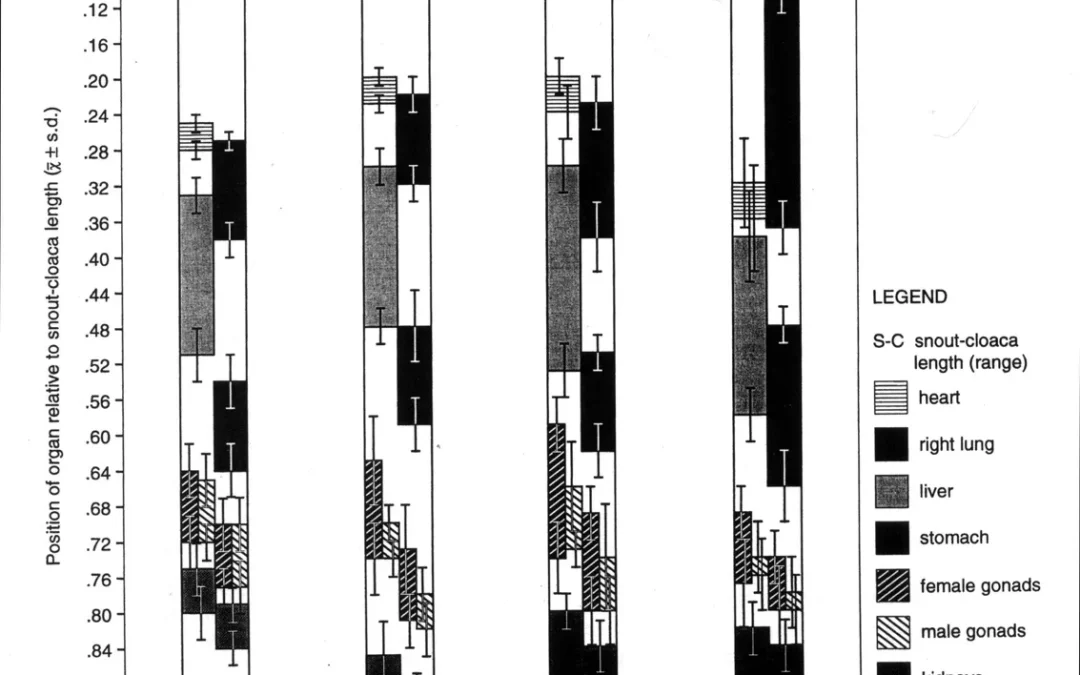
Snakes are elongated reptiles with very few external features, but how are their organs arranged internally? This is important to know when examining snakes, assessing trauma and assessing body swellings. It is also vital for diagnostic imaging and surgical...
by NMGeorge | Feb 2, 2023 | Small Mammals
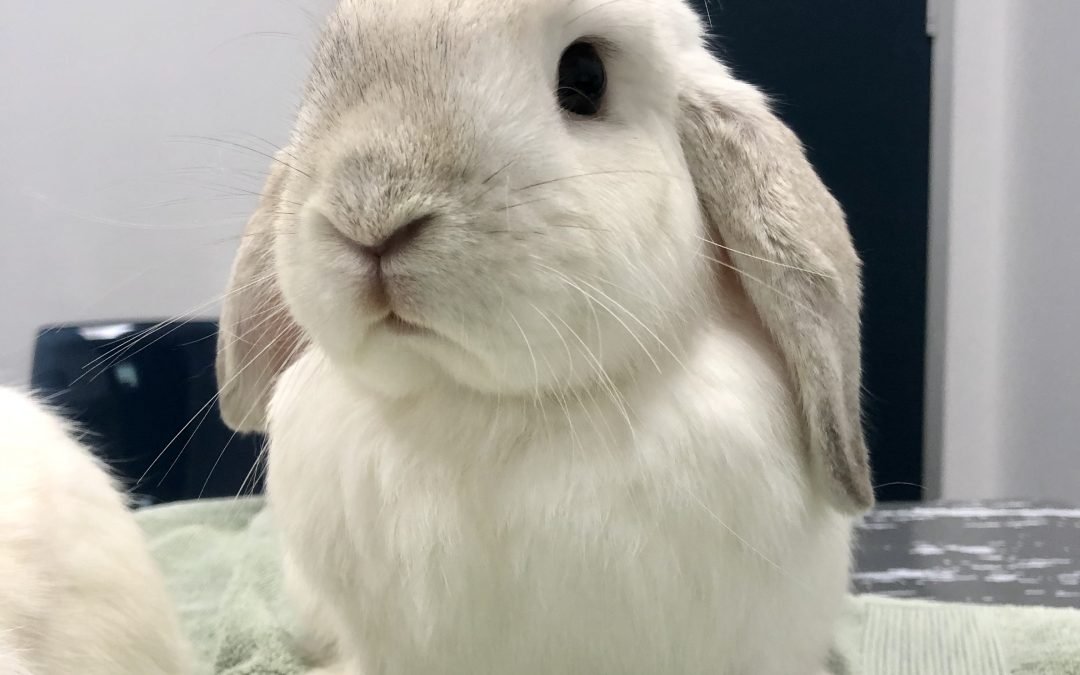
There seems to be quite a range of meloxicam dosages published for rabbits, ranging from 0.2mg/kg to 1.5mg/kg! One reason is due to differences in study design and objectives. Some studies looked at pharmacokinetics of meloxicam, while others looked at efficacy of...
by NMGeorge | Jan 26, 2023 | Industry
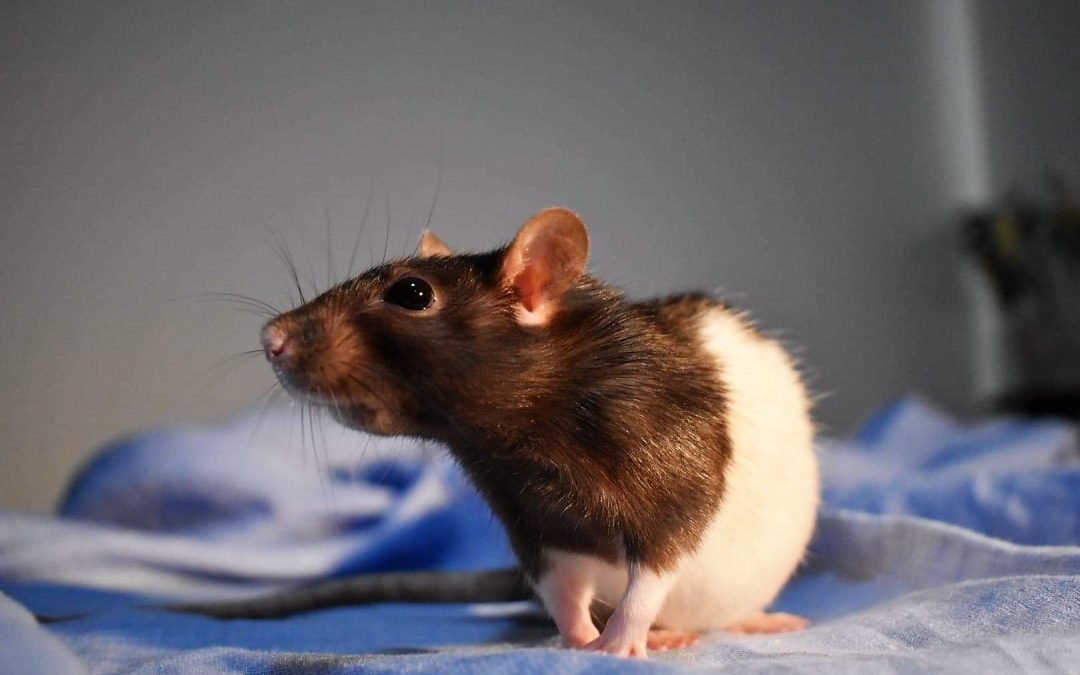
Grimace scales are used in non-verbal humans, such as babies, to assess severity of pain and assess efficacy of analgesics. Grimace scales have also been developed in some animals, including rabbits, rats and mice. A couple of things to remember when using the...
by NMGeorge | Jan 19, 2023 | Small Mammals
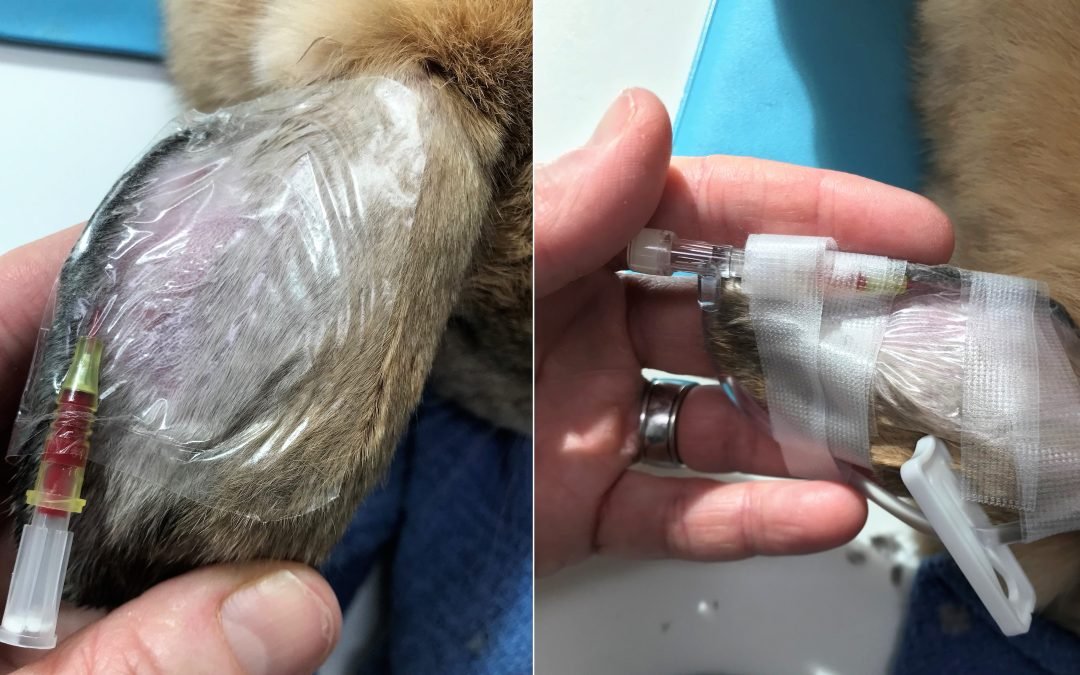
Auricular or marginal ear veins are located along the edge of the ears. That’s where an intravenous catheter goes in. The big vessel in the middle of the ear is the auricular or central artery; don’t go in there (unless you are placing a catheter for direct blood...
by NMGeorge | Jan 12, 2023 | Avian
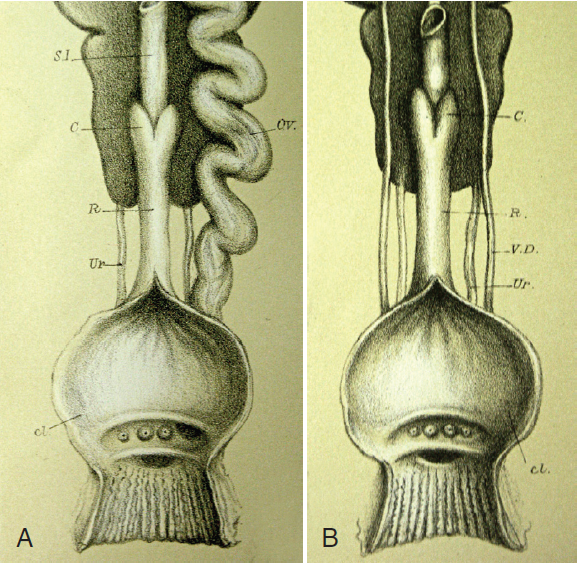
Birds have a single opening for passing faecal and urinary waste, and eggs or sperm, called a vent. Inside the vent, the cloaca is divided into 3 sections, which can be remembered using a CUP acronym. · Coprodeum is the first (most cranial) section. This is where the...
