by NMGeorge | Mar 16, 2023 | Small Mammals
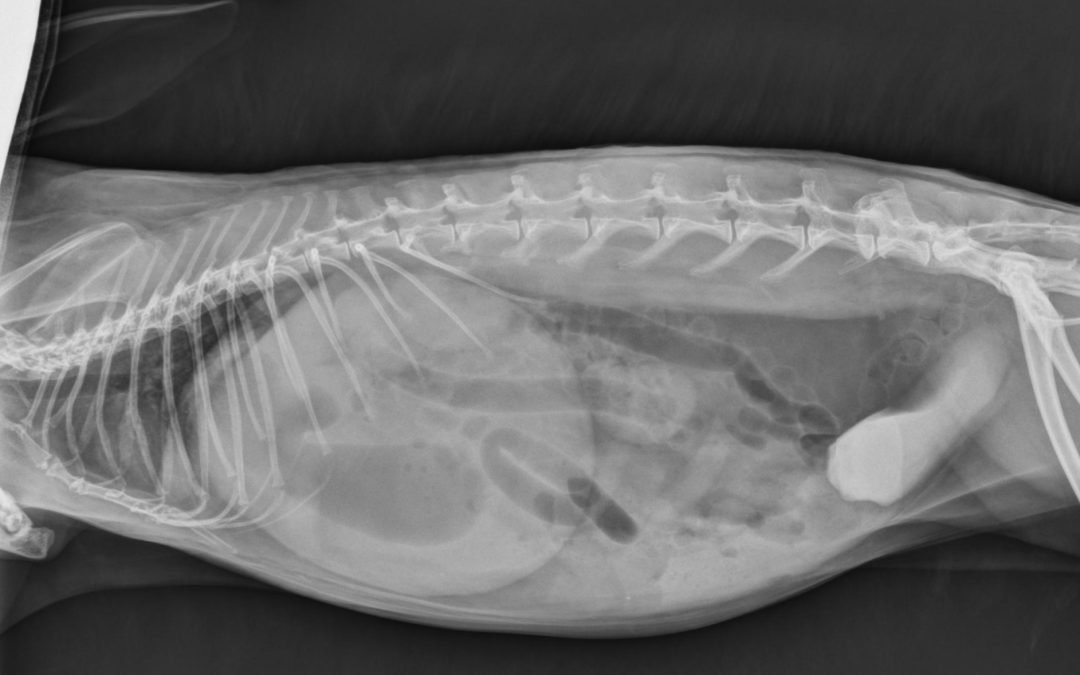
Hutches are still a permanent home for many pet rabbits, but they come from the old days of rabbit farming and the lab animal world. They are not a suitable home for rabbits. They can cause a myriad of health problems, one of which is bladder sludging. Rabbits absorb...
by NMGeorge | Mar 9, 2023 | Industry
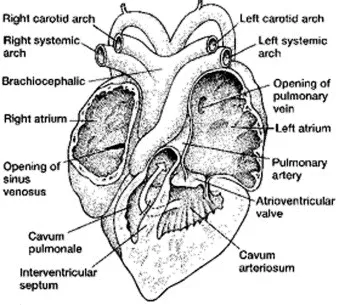
Did you know that frogs and most reptiles (not crocodiles) have 3 chambered hearts?! That’s 2 atria and 1 ventricle. How does it work?? Muscular ridges (one of which is an incomplete interventricular septum) create a separation that directs blood to either lungs...
by NMGeorge | Mar 2, 2023 | Industry
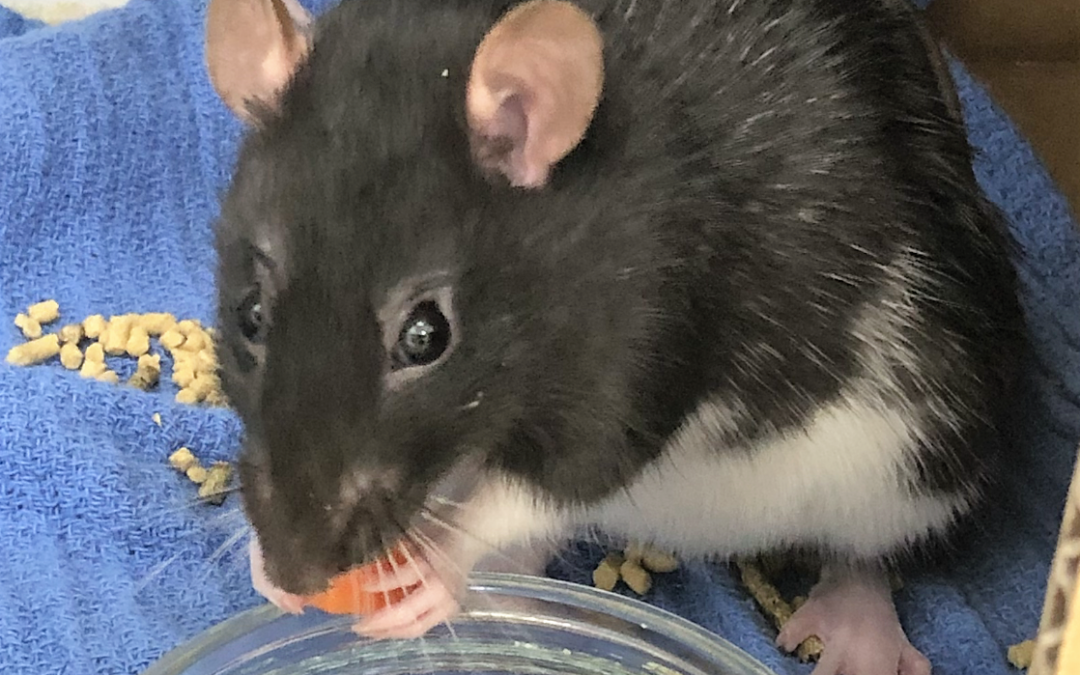
Rats have extensive mammary tissue and mammary tumours are one of the most common neoplasms in this species. Majority of these tumours are benign fibroadenomas, with a smaller percentage being carcinomas. Fibroadenomas can grow to a massive size and affect the...
by NMGeorge | Feb 23, 2023 | Reptiles & Amphibians
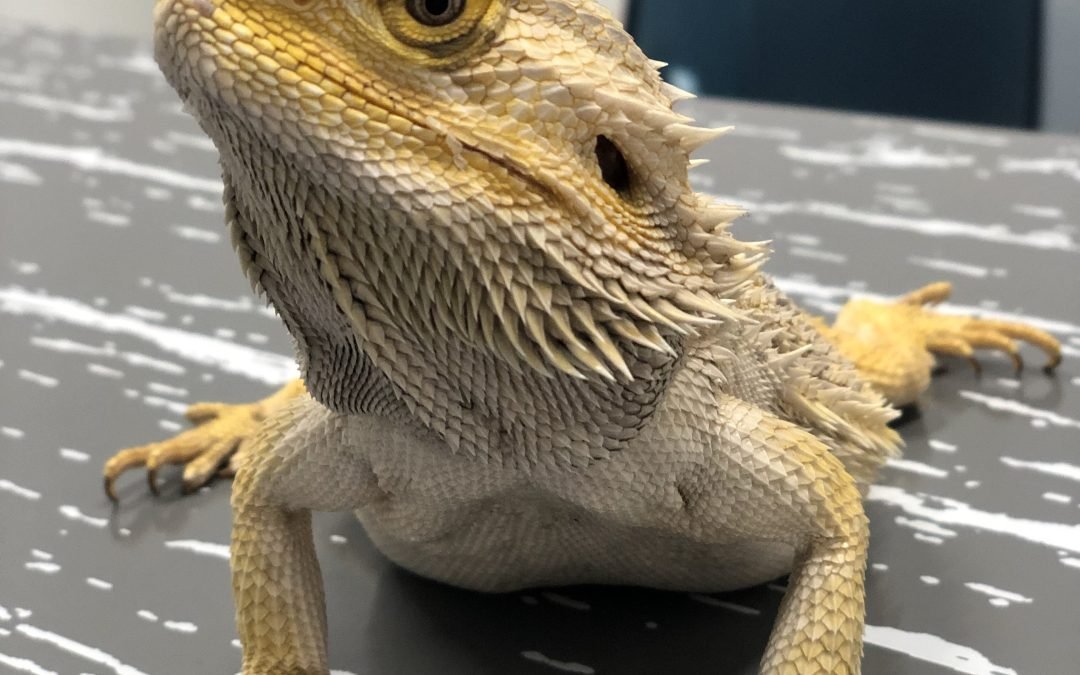
Bearded dragons have a permanent set of teeth (unlike many other reptile species, which can shed and replace their teeth throughout their lives). This predisposes beardies to dental disease, including tartar accumulation, gingivitis and if left untreated,...
by NMGeorge | Feb 16, 2023 | Small Mammals
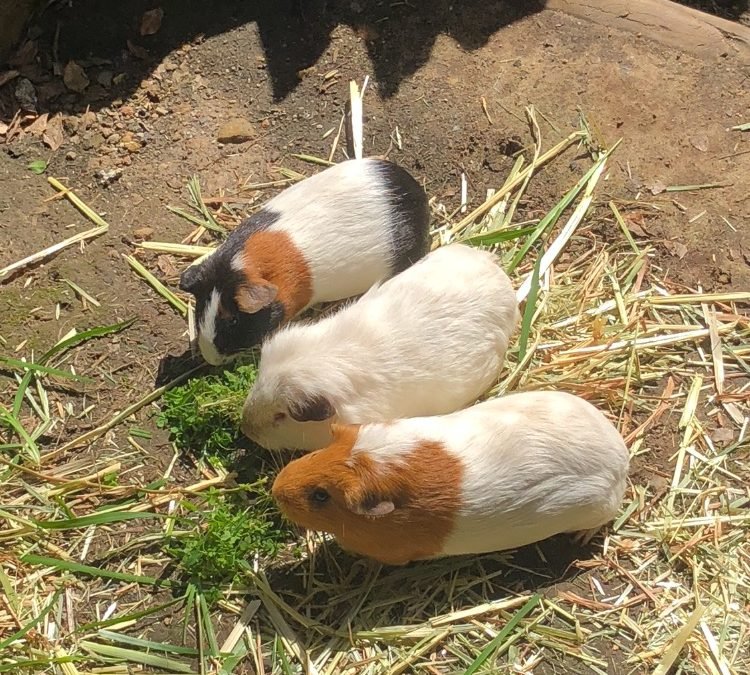
Guinea pigs, like people, require a dietary source of vitamin C because they lack the enzyme required for the conversion of glucose into ascorbic acid. Most animals have this enzyme and so don’t require dietary vitamin C. Vitamin C deficiency is called...
